We’ve long known about the benefits of exercise on both our physical and mental wellbeing and, conversely, the damage that sedentary lifestyles cause. However, according to the Australian Institute of Health and Welfare, 59% of women and 50% of men in Australia are not getting the recommended levels of physical activity.
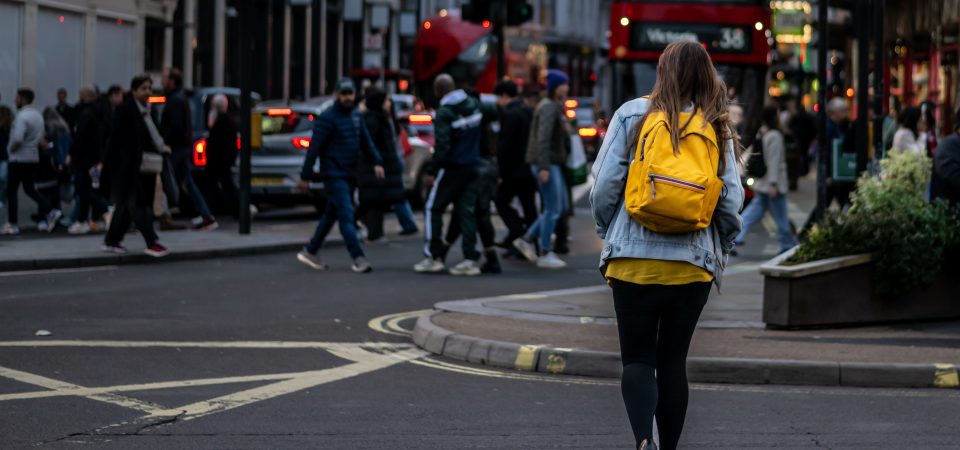
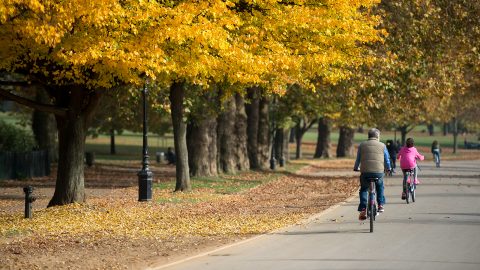
For most people, the easiest way to achieve the recommended physical activity levels is to incorporate it into everyday life through walking or cycling for short journeys such as to the shops, school, work or the train station. Walking is already the main way most of us are physically active.
The Covid-19 pandemic highlighted the importance of exercise not only for our physical health but also our mental wellbeing. The mass shift to home working for many also had a huge impact on how we use and view our local streets with many more people walking and cycling, particularly in the first lockdown in Victoria when traffic levels dropped significantly. We also noticed reduced air and noise pollution with many people hearing bird song outside their windows for the first time. Indeed, the evidence for the benefits of reduced car use and more active travel are plentiful, from the obvious health and wellbeing benefits to cutting carbon emissions, air and noise pollution and congestion.
The implementation of pop-up cycle lanes has raised awareness that there are major hurdles to getting people to walk and cycle more with the lack of safe infrastructure being a key barrier particularly for women, children and the elderly, while the role active travel can play in improving health is becoming increasingly recognised, placing it front and centre of any strategy.
To address these challenges our specialists are playing a key part planning and designing active travel schemes within the UK. These developments aim to create low speed environments and, where we can’t, such as on key arterial routes, providing protected cycle infrastructure to enable more cycling and walking for short journeys. We are also increasingly working at neighbourhood level to create Low Traffic Neighbourhoods (LTN’s) where residential streets and local centres become safer from the adverse impacts of traffic and provide more welcoming spaces where the opportunities for social interaction improve and children can walk and cycle safely to school.
As we reflect on the events of the past 12 months for World Health Day the many benefits of incorporating walking and cycling into our lives are clear and a quiet revolution to incorporate this into our everyday routines has started. We now have an opportunity to continue to support this change with safer, friendlier streets with the aim to ‘build back better’.
PJA were the lead authors of LTN1/20, the new cycling infrastructure design guidance in the UK, which was published alongside ‘Gear Change’, and co-authored the guidance on Local Cycling and Walking Infrastructure Plans. Our engineers, transport planners and place makers work together to achieve a robust, evidence-led approach to development.
For more information, please contact [email protected]
Sign up for more news from PJA here